
Hong Kong’s Enduring Global Significance
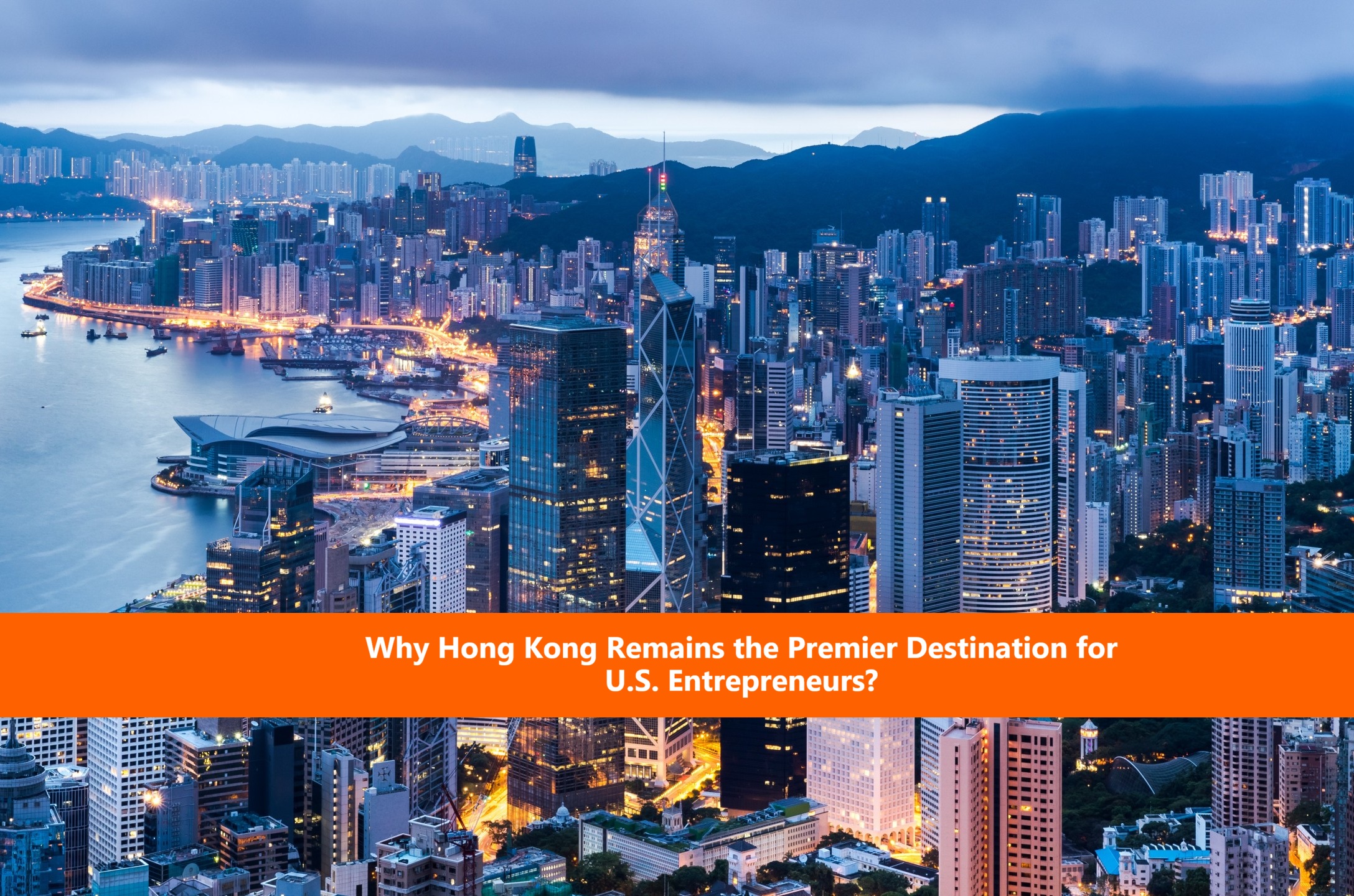
As 2026 approaches, the world’s entrepreneurial landscape is reshaping around three converging forces: digital globalization, intensified regulatory scrutiny, and a renewed emphasis on economic governance. Amid this transformation, Hong Kong continues to stand as one of the most strategically significant jurisdictions for international company formation.
For U.S. citizens and global founders aiming to expand their operations abroad, diversify assets, and maintain full compliance with international tax and transparency standards, Hong Kong remains a well-calibrated bridge connecting East and West. Its long‑standing reputation for legal transparency, tax efficiency, and financial credibility makes it a rare ecosystem where Western governance frameworks and Asian market dynamism intersect seamlessly.
The Strategic Value of Hong Kong Company Formation for U.S. Entrepreneurs

Over decades, Hong Kong has evolved from a regional entrepôt into a global command center for cross‑border entrepreneurship. Where many emerging markets are hindered by red tape and institutional opacity, Hong Kong has retained the efficiency, predictability, and regulatory discipline that entrepreneurs value most.
Incorporating a Hong Kong company typically takes only a day, without requiring local partners, and ownership remains fully in foreign hands. For U.S. entrepreneurs, this structure provides:
- Unrestricted access to Asia’s banking and capital markets;
- Transparent reporting systems that align with global compliance expectations;
- Structural versatility suited for consulting, e‑commerce, professional services, and digital‑first ventures;
- Currency stability, as the Hong Kong dollar remains pegged to the U.S. dollar, mitigating FX volatility.
Even as global commerce decentralizes through digital platforms, Hong Kong stands apart as a jurisdiction where efficiency meets integrity—offering a compliant, secure, and internationally recognized base for global income generation.
2026: The Inflection Point for Global Entrepreneurs

The mid‑2020s mark an era of fundamental transition. Remote work has become normalized, borderless fintech infrastructure is standard, and blockchain‑based validations are transforming how contracts, audits, and financial flows operate. Entrepreneurs increasingly design business models without geographical boundaries in mind.
In this new paradigm, jurisdictions capable of offering both digital agility and institutional trust are positioned to thrive. Hong Kong continues to distinguish itself through a coherent mix of traditional reliability and progressive modernization.
With a flat corporate tax rate of 16.5%, no taxation on dividends or capital gains, and full repatriation of profits, Hong Kong remains among the most entrepreneur‑friendly economies in the world. Its strength lies not in secrecy but in credibility and compliance—qualities increasingly demanded by international investors, correspondent banks, and supranational regulators.
American entrepreneurs no longer seek opaque “tax shelters.” Instead, they prioritize legitimate, well‑regulated jurisdictions that enable growth while adhering to the Foreign Account Tax Compliance Act (FATCA) and OECD standards. Hong Kong delivers exactly that blend of opportunity and integrity.
Legal and Regulatory Advantages for U.S. Citizens
Setting up a company in Hong Kong requires only one director and one shareholder, who can be the same person—making it an accessible entry point for solo founders and SMEs alike. However, formation simplicity does not remove the complexity of compliance. Because U.S. citizens are taxed on global income, proper corporate structuring is essential to remain within IRS guidelines.
A well‑designed Hong Kong entity functions not as an avoidance mechanism but as a compliant, operational platform. American owners must maintain reporting under:
- FATCA (Foreign Account Tax Compliance Act);
- FBAR (Foreign Bank Account Report);
- OECD Common Reporting Standard (CRS).
Hong Kong’s regulations, anchored in English common law, align naturally with U.S. and EU standards, allowing entrepreneurs to meet dual reporting obligations without conflicting legal expectations. This alignment ensures transparency, credibility, and ongoing access to global financial systems.
The Power of Banking Diversification
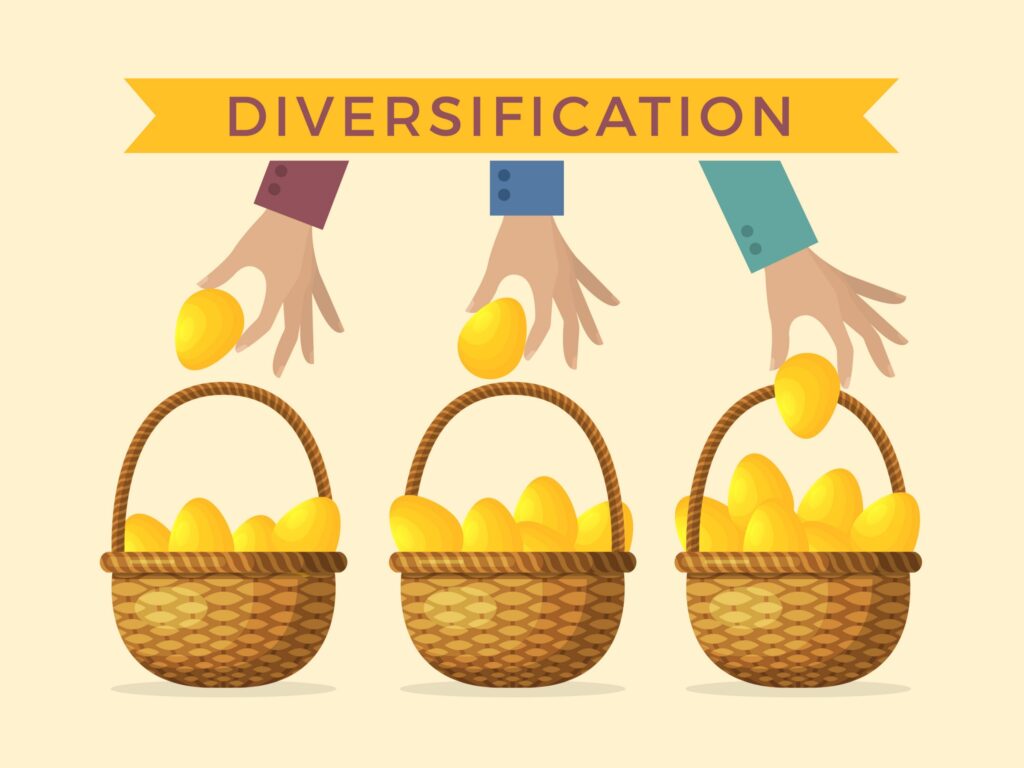
Few jurisdictions in Asia offer a banking environment as sophisticated or internationally connected as Hong Kong’s. The city remains home to a concentration of global Tier‑1 financial institutions: HSBC, Standard Chartered, Citi, and Bank of China (Hong Kong), alongside an expanding ecosystem of digital banks and payment‑service providers.
For American entrepreneurs, a Hong Kong corporate account provides:
- Multi‑currency capabilities (USD, HKD, SGD, EUR, RMB, GBP);
- Integration with modern fintech platforms, from Stripe and Wise to blockchain‑based payment rails;
- Access to trade finance, escrow, and credit facilities for dynamic operations;
- Separation of personal and corporate assets within a clean legal framework;
- Reduced transaction costs for international settlements across time zones.
Even as global due diligence requirements tighten, properly documented Hong Kong entities enjoy continued access to top‑tier banking. The emphasis is no longer on secrecy, but on regulatory readiness—transforming banking from a barrier into a business advantage.
Building Real Substance: The Cornerstone of Credibility
As global compliance standards evolve, particularly under the OECD’s Base Erosion and Profit Shifting (BEPS 2.0) framework, businesses can no longer rely on passive entities or paper structures. “Substance” is the new currency of credibility.
Hong Kong’s policy environment supports entrepreneurs who establish genuine operational presence within its territory. Practical ways to demonstrate business substance include:
- Employing local staff or contractors;
- Maintaining an active office or co‑working facility;
- Holding regular directors’ or shareholders’ meetings in Hong Kong;
- Keeping proper local accounting, governance, and audit records.
Such steps signal to global regulators, banks, and investors that the enterprise is authentic, operational, and fully accountable. Entrepreneurs who invest in meaningful substance not only safeguard their reputations but also gain long‑term access to trusted financial ecosystems.
Hong Kong’s Gateway Role in Asia’s Emerging Markets
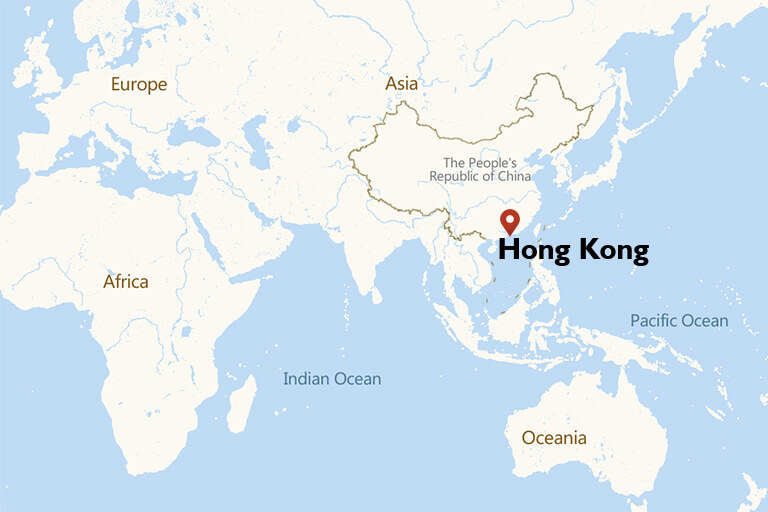
Few places rival Hong Kong’s proximity to China’s Greater Bay Area (GBA)—a high‑growth economic corridor integrating Hong Kong, Macau, and nine key cities in Guangdong province. By 2026, GBA’s GDP is projected to exceed US$2 trillion, driven by innovation ecosystems spanning fintech, clean energy, logistics, and advanced manufacturing.
For U.S. businesses, establishing a Hong Kong company provides preferential access to mainland China and ASEAN markets under multiple trade frameworks, including the Regional Comprehensive Economic Partnership (RCEP). Entrepreneurs benefit from:
- Streamlined customs procedures and reduced tariffs;
- Cross‑border IP protection recognized under Hong Kong’s legal standards;
- Access to a bilingual, multicultural talent pool;
- High‑speed infrastructure and direct connectivity to Shenzhen and Guangzhou’s innovation clusters.
Hong Kong thus serves as both a launchpad for expansion across Asia and a safe regulatory jurisdiction for managing cross‑border revenue and intellectual property.
Hong Kong’s Role in Asset Protection and Multi‑Jurisdiction Structuring
While Hong Kong does not entice investors through citizenship‑by‑investment or “residency for sale” programs, its value lies elsewhere: it anchors global asset protection and multi‑jurisdiction structuring strategies within a rule‑of‑law environment.
Professional firms often use Hong Kong entities in tandem with trusts or holding companies based in other transparent jurisdictions (e.g., Singapore, Luxembourg, or the U.S. Delaware model). This enables entrepreneurs to:
- Legally segregate operational and personal assets, reducing risk exposure;
- Centralize global holdings under a stable, regulated umbrella;
- Enhance liquidity by tapping into Asia’s capital markets;
- Achieve international diversification while maintaining compliance.
The approach reinforces asset resilience without sacrificing transparency—an imperative for modern wealth governance amid global information exchange initiatives.
Embracing Digital Transformation in Incorporation
Hong Kong’s Companies Registry and Inland Revenue Department have digitized nearly every process—allowing remote incorporation, online filing, and e‑signatures through secure government portals. For globally mobile entrepreneurs and remote teams, this digital convenience significantly lowers the administrative burden traditionally associated with international structuring.
However, the digital age also imposes new obligations. Entities are expected to maintain electronic compliance logs, safeguard sensitive data, and adopt cybersecurity standards aligned with ISO and GDPR benchmarks. Increasingly, tax and company registries across borders will interlink through blockchain‑based databases, making automated compliance the new norm.
For forward‑looking American founders, adopting a digital‑first compliance strategy—integrating fintech bookkeeping tools, AI‑driven reporting, and secure audit trails—will ensure not only continuity but competitive advantage in a trust‑driven economy.
Balancing Privacy and Transparency
Contrary to dated misconceptions, Hong Kong’s company framework is not designed for secrecy. Corporate owners are required to maintain statutory registers of significant controllers, submit annual returns, and undergo independent audits. These rules promote responsible privacy, ensuring confidentiality without compromising integrity.
The principle of “transparency without exposure” defines modern entrepreneurship in Hong Kong. By maintaining structured corporate governance, clear documentation, and regular audits, businesses balance both privacy and accountability—enhancing investor trust while protecting legitimate confidentiality.
Hong Kong’s Economic Resilience and Future Outlook
Over the past two decades, Hong Kong has weathered severe global shocks: financial crises, pandemics, and geopolitical tensions. Yet its ability to adapt—rooted in sound monetary policy, regulatory independence, and infrastructure excellence—has sustained its global relevance.
As of 2026, Hong Kong continues to rank among the world’s top economies in ease of doing business, financial freedom, and investment protection.
- It maintains over 40 double taxation agreements, including with the United States.
- Its currency peg system—supported by substantial foreign reserves—preserves macro‑stability.
- Its judiciary remains independent, resolving disputes efficiently through international arbitration recognized under UNCITRAL standards.
While competitors such as Singapore and Dubai have grown prominent, Hong Kong’s enduring advantages—free capital mobility, low taxes, bilingual workforce, and direct ties to mainland China—offer a blend that remains hard to replicate.
As global manufacturing, logistics, and fintech shift eastward, entrepreneurs who establish early in Hong Kong position themselves at the frontier of Asia‑Pacific’s growth narrative.
The Future: Compliance, Substance, and Digital Integrity
The coming years will test whether global entrepreneurship can remain bold yet accountable. Compliance is no longer a cost—it is a catalyst for trust and sustainability. For U.S. entrepreneurs, success in international markets will depend on three pillars:
- Substance – Building tangible operations that generate economic value.
- Documentation – Maintaining verifiable audit trails and accurate disclosures.
- Digital Integrity – Using technology to ensure secure, transparent compliance.
Those who master these principles will not only reduce regulatory risk but also attract investors and partners seeking stable, compliant ecosystems.
Conclusion: The Transparent Entrepreneur’s Era
The age of hidden offshore entities is ending. The winners of 2026 and beyond will be transparent entrepreneurs—those who operate across borders with integrity, adaptability, and full visibility.
Hong Kong embodies that vision. Its sophisticated infrastructure, regulatory maturity, and forward‑looking digital governance combine to form a platform where compliance fuels growth, not fear.
For American entrepreneurs seeking a credible, efficient, and globally connected base, Hong Kong remains not just a choice—but an advantage.
In an era when legitimacy has become the ultimate currency of success, Hong Kong stands as one of the last true gateways between global opportunity and global accountability.
About easyCorp:
Founded in 2007, we were awarded as the “Best Business Partner” by HANG SENG Bank; our customers spread throughout Europe, the United States, the Middle East, Asia, Africa and etc.
Contact us now for more details: https://www.easycorp.com.hk/en/incorporations